NEW RAJ SIGNATURE JOURNAL
DESIGN NOTES — 208Blog
The Best Wood Material for Custom Furniture in Bali's Tropical Climate
Living in Bali means dealing with constant humidity, sudden downpours and blazing hot sun. The Best Wood for Custom Furniture You face these things every day. Choosing the wrong wood will cause…
- PUBLISHED
- READING TIME
- 8 min read
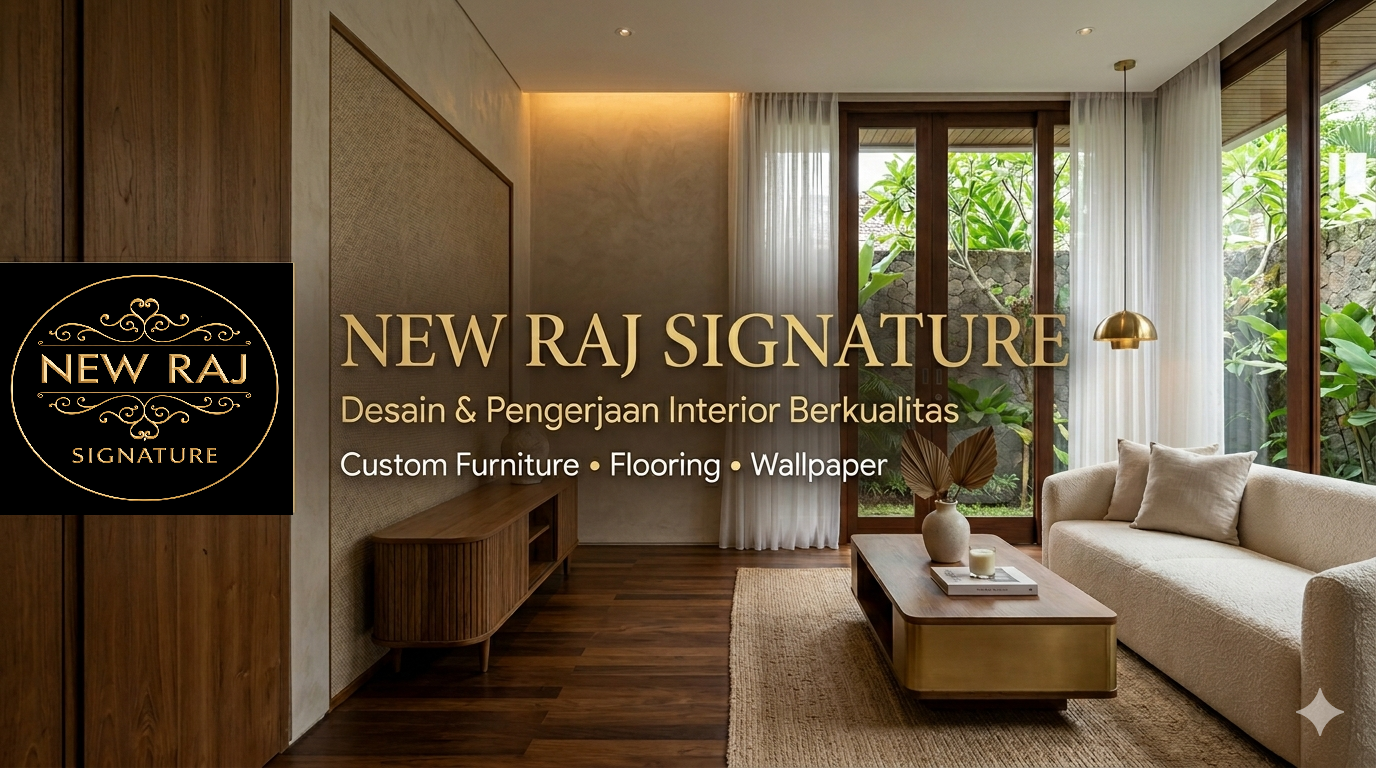
Revealing the Secret: The Best Wood Material for Long-Lasting Custom Furniture in Bali's Tropical Climate
Living in Bali means dealing with constant humidity, sudden downpours and blazing hot sun. The Best Wood for Custom Furniture You face these things every day. Choosing the wrong wood will cause the wood to warp, crack, or be eaten by insects. But if you choose wisely, the furniture will last for years, saving you money on replacements.
Bali's tropical climate demands strong materials. High humidity and heat test every piece of furniture you bring home. This guide discusses the best wood choices, why they work well here, and how to handle them properly. You'll learn to recognize quality for your next custom order.
Why Bali's Climate Challenges Wooden Furniture
Bali's weather changes from wet monsoon rain to dry heat. The mixture stresses the wood more than a stable climate. Furniture absorbs moisture when it rains, then shrinks in the sun. Over time, this causes cracks or loose joints.
Humidity remains above 80% most months. Wood will absorb it if not cared for properly. You'll end up with mold spots or soft spots that weaken the entire piece of furniture. Proper drying greatly reduces this risk.
Sunlight and rain work together to fade colors quickly. Without protection, even strong wood will lose its shine. Think about outdoor places like patios—they're the hardest hit.
Threats from Humidity and Temperature Changes
The rainy season brings heavy rainfall. Wood expands when it absorbs water. Then the dry season pulls it back, causing warping. The table surface may warp up to an inch if the material is unstable.
Cracks form along the wood grain in extreme temperature changes. This often occurs in the temperature range of 25-35°C in Bali. You see it in cheap imported goods that initially look good but quickly break down.
Mold likes moist air. Fungus grows on the surface and inside the pores. Kiln drying reduces humidity to 8-12%, corresponding to indoor humidity levels in Bali. Air drying takes longer and leaves more water behind.
Susceptibility to Tropical Pests
Termites swarm in the warm soil of Bali. They gnaw through softwood overnight. Subterranean termites, the type that live underground, attack from under the legs of furniture.
Wood borers make holes to lay their eggs. The larvae eat the wood from the inside out. You may not see the damage until the wood shakes. Local wood often has natural oils that can repel these pests.
Sooty herpes is most severe in the rainy months. They breed on untreated pine or cedar wood. Hardwood with resin is more resistant to attack. However, still add care for complete safety.
Best Premium Wood Category for Difficult Conditions in Bali
Local hardwoods lead the way here. They grow in similar hot and rainy conditions. Custom furniture makers prefer this wood for its strength and appearance. You get furniture that blends with the Balinese atmosphere.
Engineered wood options fill the gap for budget or modern needs. This wood imitates natural wood but in some cases is more resistant to moisture. Choose based on where the furniture will be placed—indoors or outdoors.
Variety keeps options open. Teak wood is a classic choice, while others are suitable for certain places. Test a sample in your room before deciding.
Superior Local Hardwood
Teak, or teak, is at the top of the list for custom work. Its natural oils deter water and insects. The wood pieces remain smooth even after years of being outdoors. Teak from Perhutani forests offers the best fiber and density. Fast-growing versions can also be used, but check straightness.
This wood resists rot without much help. In Bali, this wood is resistant to salty air near the coast. Benches made from this wood can last up to 50 years if cared for properly. It costs more up front, but you won't have to make repairs.
Mahogany, known as mahogany, presents warm colors. This wood remains dimensionally stable in damp places. The finish provides a rich shine that hides minor defects. But termites love them, so seal the joints well.
Mahogany dries evenly and smoothly when machined. Use it for a wardrobe or bed indoors. This wood bends less than the lighter wood on Bali swings. Pair with a borate treatment for extra pest protection.
Other Strong Tropical Woods
Bengkirai, or yellow balau, has serious power. The high density makes it ideal for outdoor tables or chairs. This wood is more resistant to rain and UV rays than most other woods. On Balinese terraces, this wood will not break due to foot traffic.
This wood feels heavy and strong. The sawmill requires a sharp tool to shape it. This density results in a long service life. The downside: this wood can split if not dried slowly.
Merbau wood is very suitable for heavy frames. The dark red color adds a luxurious impression. Water resistance keeps it sturdy in damp areas. Builders use it for floors, but it is also very suitable for furniture frames.
Merbau wood is able to withstand loads without warping. In Bali's humidity, this wood maintains its shape. Coat with a finishing agent to prevent black spots caused by tannins. The right choice for a dining table set.
Engineered Wood as a Modern Solution
MDF is suitable for interior cabinets where strength is not the key. This wood stays flat in a controlled space. But avoid using them outdoors—moisture will damage them quickly. Marine grade plywood is more suitable for wet areas.
Plywood siding is more resistant to splintering than solid wood planks. Use for shelves exposed to steam from the kitchen. Veneer layers add beauty without increasing thickness.
High-quality veneer blocks moisture. Veneers allow you to combine style at an affordable price. For houses in Bali, choose a type of veneer with phenolic adhesive. This adhesive adheres strongly to tropical humidity.
Key Factors in Wood Processing
Processing turns raw logs into reliable furniture. Skipping a few steps, will cause problems. Specialist workshops in Bali know this—ask about their methods.
Drying lays the foundation. Connections are made next for adhesion. Design with movement in mind to avoid future problems.
Good preparation means less maintenance later on. Your investment still looks new.
The Role of Wood Drying (Kiln vs. Air Drying)
Kiln drying heats the wood in a chamber to even out moisture. Target a moisture content of 8-12% for interiors in Bali. This conforms to the local air and reduces changes in moisture content after construction.
Air drying stacks the boards outside for months. It's cheaper but not evenly distributed. The kiln gets the job done faster and with more certainty. For teak, the kiln helps lock in the oil.
Industry standards specify moisture content below 12% in damp zones. Test with a meter before assembly. Wet wood can cause gaps in doors or drawers.
Quality Connections and Construction
Mortises and tenons lock tightly without just glue. This connection is flexible according to changes in humidity. Dovetail joints are great for drawers—pulling forces can't break them.
Avoid blunt joints at edges; This connection is easy to get holes. Use mechanical locks plus adhesives suitable for tropical areas. This combination lasted throughout the season.
Designers build in room for swelling. 1/8 inch gap in panels prevents binding. Choose a builder that measures according to your location.
Completion and Long Term Maintenance for Bali Outdoor Areas
The final layer protects from the Bali sun and storms. Choose one that allows the wood to breathe. The wrong choice will trap moisture inside.
Oil-based finish penetrates deeply. This coating is easy to renew with a rag. Varnish forms a hard coating but cracks over time.
Maintenance keeps items in top condition. Simple habits extend life far beyond the basics.
Best Finish Against UV Rays and Rain
Oil-based options are suitable for breathable woods such as teak. This layer repels water but allows steam to escape. Reapply annually to outdoor areas.
Polyurethane forms a strong barrier. It prevents fading due to UV rays on the table surface. Use a semi-gloss finish for easy cleaning. In direct sunlight, add stabilizer to maintain color.
Teak oil combines natural defense with protection. Apply to a clean surface. For varnished furniture, repair scratches quickly to cover them.
Routine Maintenance Tips for Owners
Clean outdoor teak furniture with oil every six months. This keeps the oil active against cracking. Use lemon and salt for light stains—natural and safe.
Clean mold indoors with a vinegar mixture. Dry well afterward. Good airflow around furniture prevents buildup.
Ventilate the room until the humidity is below 70%. A fan helps in calm air conditions. Check furniture legs monthly for termite mud tubes—early detection is helpful.
Conclusion: Smart Custom Furniture's Best Wood Choices Ensure Long-Lasting Beauty
Teak is the main choice for Balinese needs, supported by drying and sturdy connections. Bengkirai and merbau add options for the outdoors. Engineered wood meets modern indoor needs.
Don't skimp on processing or finishing costs. They determine durability. Proactive maintenance like re-oiling keeps your custom furniture looking amazing.
When ordering, focus on quality rather than low prices. Talk to local craftsmen about methods that can withstand Balinese conditions. Your furniture will last, in keeping with the island's timeless charm. Ready to update your furniture? Get started with teak samples today.
If you are looking for the best wooden custom furniture, you can consider custom furniture services in Bali from New Raj Signature (Architecture & Interior) .
Consult your Balinese Custom Furniture Best Wood needs with New Raj Signature : 08885112222
END OF NOTE / 208
BACK TO TOPARTICLE SOURCE
From the official New Raj Signature archive. This version is automatically translated from Indonesian.
Read the original article