NEW RAJ SIGNATURE JOURNAL
DESIGN NOTES — 218Blog
Custom Furniture vs Manufactured Products
You're standing in the store, eyeing a sleek sofa that fits your budget but feels a little out of place in your living room. Or maybe you're surfing the internet, tempted by cheap tables that…
- PUBLISHED
- READING TIME
- 6 min read
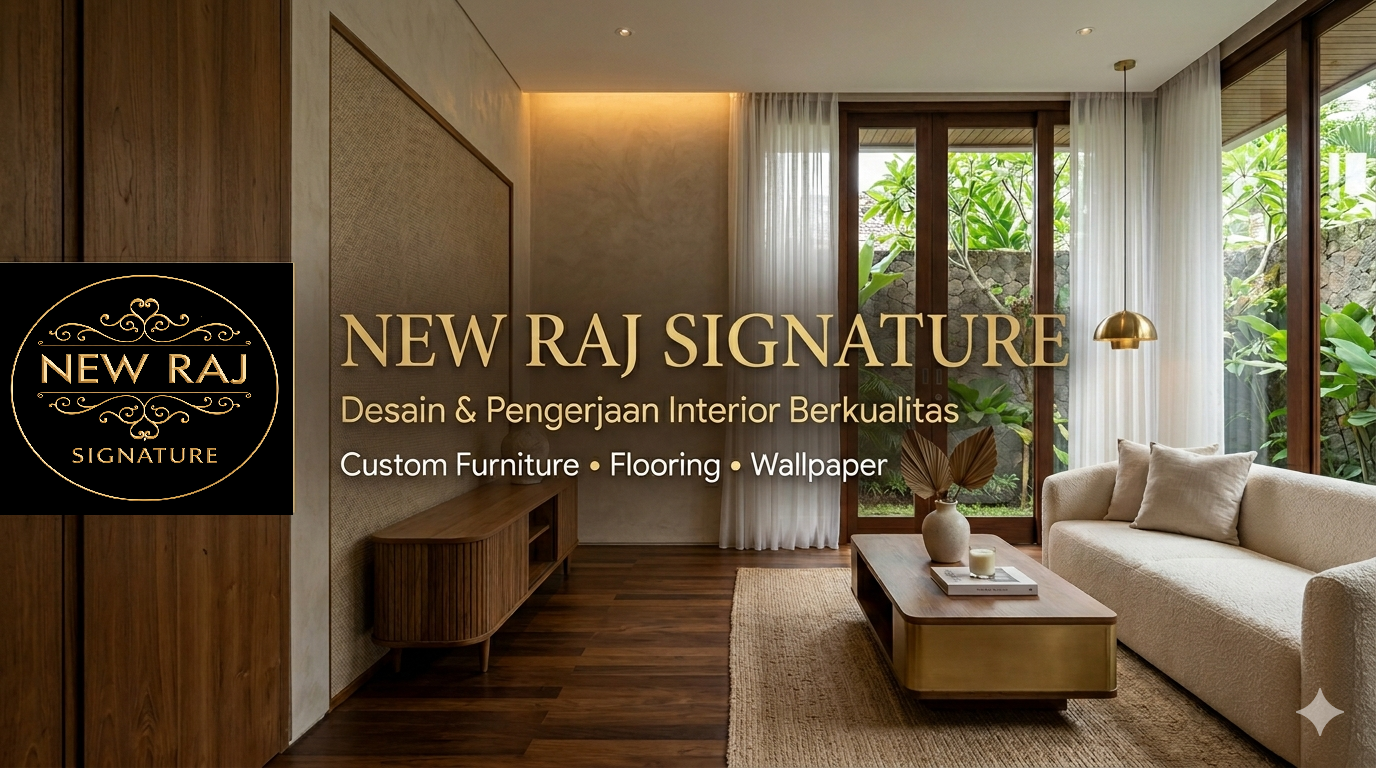
You're standing in the store, eyeing a sleek sofa that fits your budget but feels a little out of place in your living room. Or maybe you're surfing the internet, tempted by cheap tables that promise fast delivery. These choices shape how your space feels every day. Custom Furniture offers a way to get items that fit your lifestyle, while mass-produced items focus on speed and low cost. More and more people now want items that will last and show off their style, rather than just fill a void.
Trends show shifts. Buyers choose unique quality over bulk options. This guide outlines why Custom Furniture items often win. This includes materials, fit, and long-term value. If you're renovating or setting up a new home, these points help you decide.
Material Quality and Durability
Custom Furniture starts with better wood choices and finishes. Craftsmen use solid wood such as teak or mahogany, which is durable for years. Mass-produced items often rely on engineered boards such as MDF or particle board. These cheaper options may expand or crack due to changes in humidity.
Finishing also makes a big difference. Custom Furniture work uses natural oils or high quality paint that protects without peeling. Factory production uses a rapid spray that thins quickly. A custom table may stay shiny for decades, while a store-bought table will need refinishing after a few moves.
Construction differentiates Custom Furniture even further. Craftsmen join the pieces with a dovetail joint or post-and-mortise joint method. This connection is strong without glue which can easily break down over time. Bulk items use screws and removable parts, which will loosen with use. You end up having to tighten it often.
This results in a longer lifespan. Custom Furniture becomes a family heirloom. One piece of furniture may last longer than three factory versions. Imagine the costs: a custom chair costing £500 compared to three replacements costing £200 over 20 years. Custom Furniture saves money in the end. It also adds value to your home.
Personalization and Space Adaptation
One of the main advantages of Custom Furniture is perfect fit. Standard factory sizes are not always suitable for unusual rooms. Custom Furniture allows you to measure precisely for corners under stairs or tight corners. Built-in shelves may be attached to the wall, while ready-made shelves stick out awkwardly.
The design suits your daily needs. Add extra drawers to your closet if you store a lot of clothes, or adjust the depth of the sofa for relaxing with the kids. The handle can be a simple pull or an ornate knob according to your taste. Factory catalogs offer basic items, but do not include these customizations.
Custom Furniture also blends with the appearance of your home. Choose a color that blends with the existing flooring or a fabric that matches your curtains. No more furniture that clashes in color. In small apartments, custom units save space and create spatial flow. A client transformed an unused alcove into a study table that fits as if it had always been there.
This personal touch increases comfort. Your space works for you, not against it. Over time, the space feels more like home.
Craftsman's Touch and Craftsmanship Process
Custom furniture manufacturing involves hands-on care every step of the way. A skilled craftsman checks the quality of the wood before cutting, smoothes the edges, and tests the joints to ensure their stability. It detects defects early. Rushed factory production lines churn out thousands of units, so small defects can slip through the cracks.
You also support local skills. Many custom shops maintain traditional woodworking methods, such as hand-carved details. It helps the community and produces items with character. Mass production moved jobs to large factories, which were often far away.
The waiting time is indeed longer. A custom bed might take eight weeks instead of two-day shipping from a store. But the delay means attention to detail. No rushed assembly lines. The result? Items that feel sturdy and unique.
The craftsmen add soul to the work. The slight curve in the arm of the chair indicates human attention, not machine straightness. This process ensures your furniture is long-lasting and enjoyable.
Ergonomics and Functionality
Special design takes your body and habits into consideration. Set the desk height to your elbows for easy typing, reducing back strain. Factory tables are usually a fixed size which may force you to bend over. For a family table, adjust the leg space so everyone sits comfortably.
Storage becomes smarter with custom design. Hide a compartment in the headboard for books, or a modular shelf that can be expanded as needed. Ready-to-use units only have basic shelves without these additional features. In the kitchen, custom cabinets may include pull-out drawers for pans that standard cabinets don't have.
The material also suits its function. Choose fabrics that are easy to clean for homes with pets or toddlers. Choose hardwood in high-traffic areas such as hallways. This option makes everyday life more comfortable. Custom office chairs with lumbar support prevent pain that generic chairs ignore.
Functionality turns a good space into a great space. You use what you have without needing to cut corners.
Cost: Long-Term Value Analysis
In the beginning, custom designs are more expensive. A bespoke wardrobe might cost £1,200, while a build-your-own version will cost £400. But look deeper. Factory goods break down more quickly, so they need to be replaced. Over 15 years, you might buy three cheap cupboards, costing a total of £1,200 plus hassle.
Total cost of ownership is more favorable for special order items. This avoids repair costs and disposal costs. Sturdy construction also means less waste. A study from the Woodworking Federation notes that quality items retain 70% of their value after a decade, unlike bulk items that immediately become scrap.
Custom orders can even increase the value of your property. Built-in units are considered fixtures, adding appeal to buyers. In a £300,000 house, quality furniture can increase the selling price by £5,000 or more.
To manage your budget, focus on key items first. Negotiate with makers for staggered payments or simpler designs on less common items. Look for offers from local craftsmen. Start with a bed or sofa, then add on later. This spreads costs without compromising quality.
If you are looking for professional custom furniture services, you can consider custom furniture services in Bali from New Raj Signature .
Consult your custom furniture with New Raj Signature
Conclusion: Custom Furniture vs Manufactured Products
Custom furniture beats mass-produced furniture when it comes to quality, fit and long-term value. The materials are strong, the design fits your space, and the craftsmanship adds real value. Mass options only fulfill immediate needs but are lacking in the long term.
Key points to remember:
- Solid wood and sturdy joints are more durable than cheap boards and screws.
- Customized sizes and features make your home function better.
- Although more expensive initially, custom furniture saves costs in the long run and supports craftsmanship.
- Smart ergonomics and storage enhance everyday comfort.
Consider your needs. If you plan to settle down and appreciate uniqueness, choose custom furniture. Talk to a local maker or designer right away. Take a closer look at the samples to see the difference for yourself.
END OF NOTE / 218
BACK TO TOPARTICLE SOURCE
From the official New Raj Signature archive. This version is automatically translated from Indonesian.
Read the original article