NEW RAJ SIGNATURE JOURNAL
DESIGN NOTES — 432Blog
Inspiration for Aesthetic Curtains for Tropical Living in Bali
Balinese curtains are not only a window covering element, but also an important part of an aesthetic and functional tropical home interior design. On an island full of sunshine like Bali…
- PUBLISHED
- READING TIME
- 2 min read
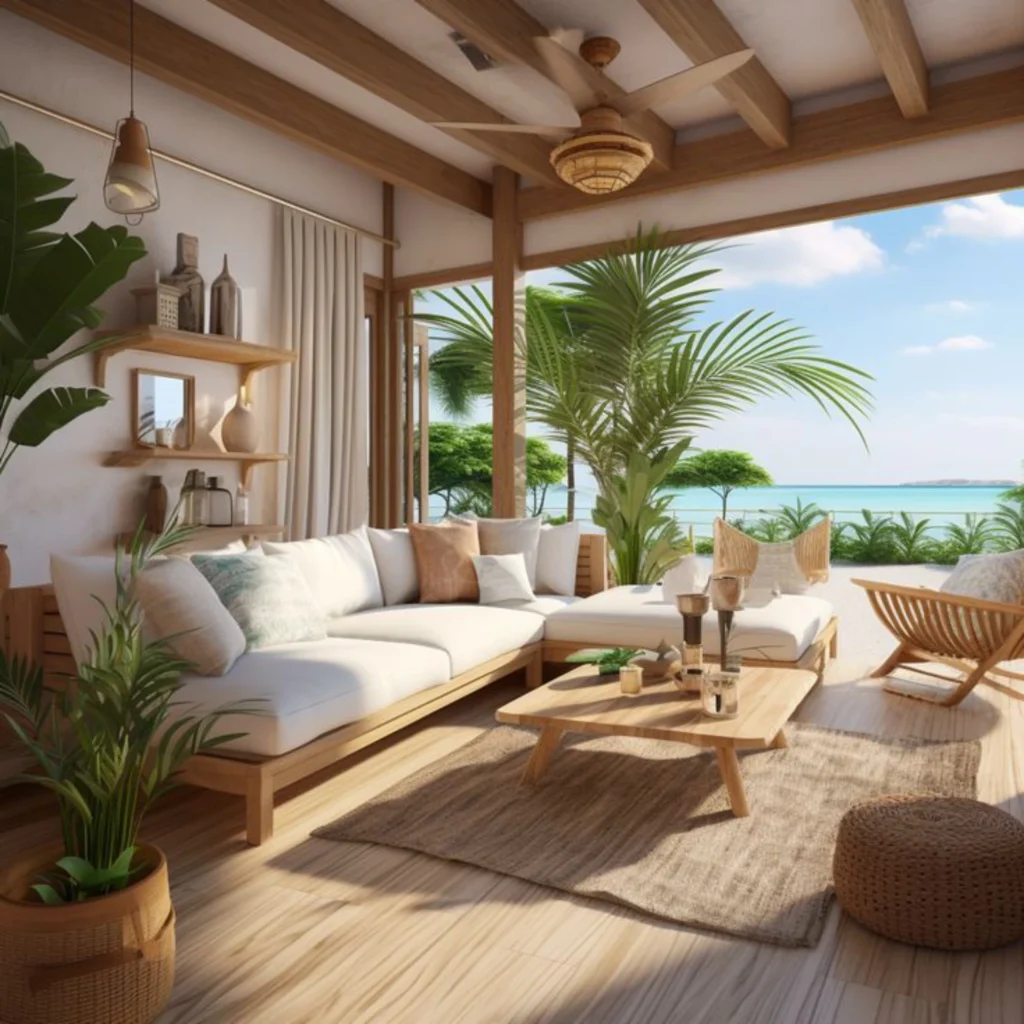
Balinese curtains are not only a window covering element, but also an important part of an aesthetic and functional tropical home interior design. On an island full of sunshine like Bali, curtains play a role in controlling lighting, maintaining privacy, and beautifying the appearance of the room.
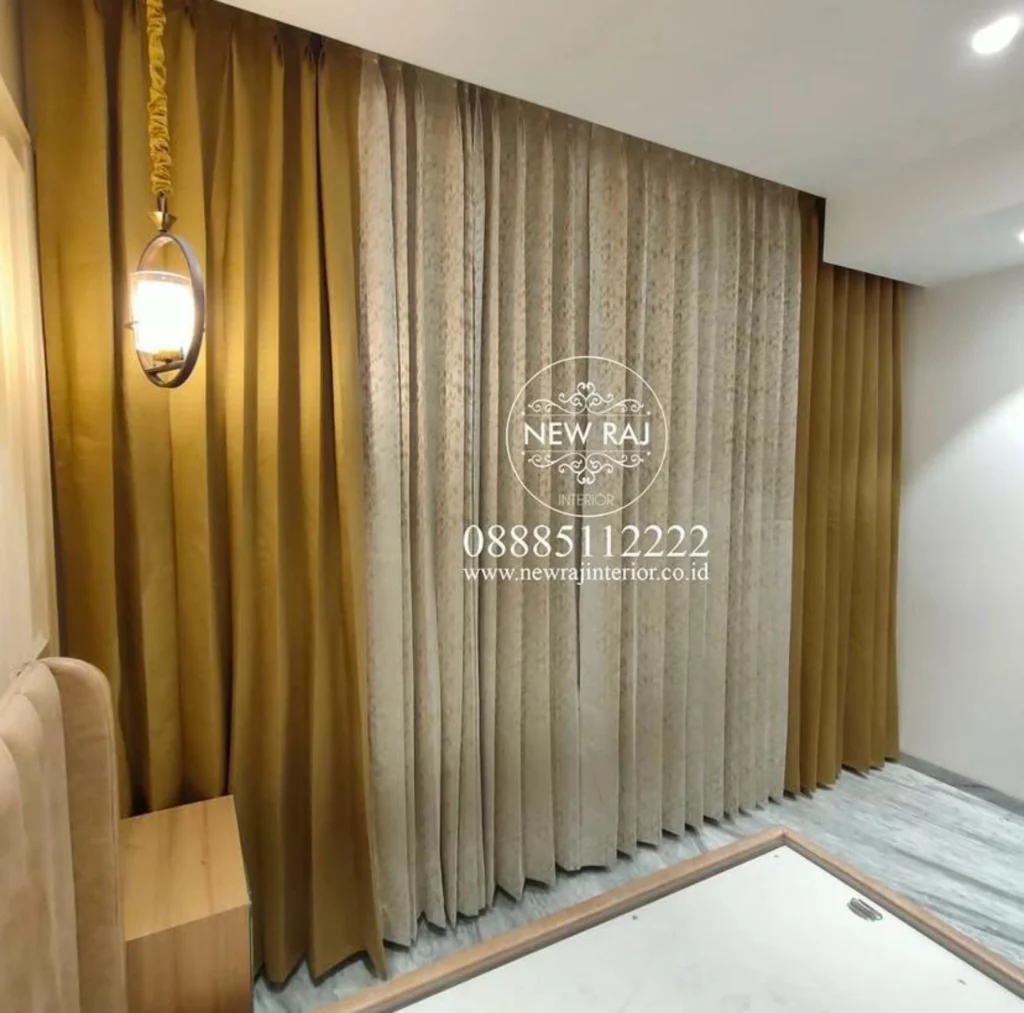
Popular curtain designs in Bali generally combine practical function and visual beauty. Many home or villa owners choose linen, light cotton or hemp because they look natural and are suitable for tropical settings. Neutral colors such as white, beige and soft gray dominate the choices because they give a cool and bright impression.
The model most often used is long folding curtains (floor-to-ceiling) which give the illusion of a taller and more spacious room. Some also use a combination of blackout and sheer curtains for day and night lighting flexibility.
Apart from that, many curtains in Bali are also custom ordered to match the size and theme of the room. Many local vendors offer direct design and installation services, complete with a choice of Balinese ethnic motifs to modern minimalist.
If you are looking for quality curtains that suit your taste, visit The Curtain Boutique Bali or see interior inspiration references from Bali Interiors . Both provide collections and services for various tropical home styles.
Using Balinese curtains is not only a matter of aesthetics, but also creates maximum living comfort. Whether for a private home, rental villa, or commercial space, the right curtains will complement the atmosphere and function of your room.
END OF NOTE / 432
BACK TO TOPARTICLE SOURCE
From the official New Raj Signature archive. This version is automatically translated from Indonesian.
Read the original article