NEW RAJ SIGNATURE JOURNAL
DESIGN NOTES — 131Blog
Cross Ventilation System Options for Homes Without AC
In a tropical climate like Bali, a good ventilation system is very important to maintain comfort in the house. Considering that many villa owners, rental houses and property managers strive to…
- PUBLISHED
- READING TIME
- 3 min read

In a tropical climate like Bali, a good ventilation system is very important to maintain comfort in the house. Considering that many villa owners, rental houses and property managers strive to create a comfortable environment without relying on air conditioning (AC), a cross ventilation system is a wise choice. This article will discuss effective cross ventilation system options for homes without air conditioning.
What is Cross Ventilation?
Cross ventilation is a system that utilizes cross-flow of air from two sides of a room to create air circulation. By using cross ventilation, fresh air will enter from one side of the house and expel hot air from the other side. In this way, the indoor temperature can be maintained, thus increasing the comfort of the occupants.
Why Choose Cross Ventilation?
1. **Energy Efficiency** Cross ventilation does not require additional energy like air conditioning. By utilizing natural wind, this method is more environmentally friendly and cost effective. 2. **Air Quality** Cross ventilation helps circulate fresh air into the room, reducing humidity that can cause health problems, such as allergies and respiratory diseases. 3. **Aesthetic Enjoyment** Having windows or openings on two sides can increase natural light and views, making the house more visually appealing.
How to Implement a Cross Ventilation System
1. Optimal Space Design
To implement a cross ventilation system, make sure the house design has openings on two opposite sides. Windows, doors or ventilation that are large enough are very important so that air flow can run well.
2. Placement of Apertures
When designing openings, consider the dominant wind direction in your area. For example, in Bali, the wind often blows from the sea. Placing windows on the side facing the wind will maximize air circulation.
3. Use of the Right Materials
Building materials also influence the ventilation effect. Use materials that can withstand tropical climate changes. Consider environmentally friendly materials that can support better air circulation.
4. Routine Maintenance
Make sure the ventilation and openings are always clean of dust and dirt so as not to hinder air circulation. Perform regular checks to maintain optimal performance.
Examples of Cross Ventilation Applications
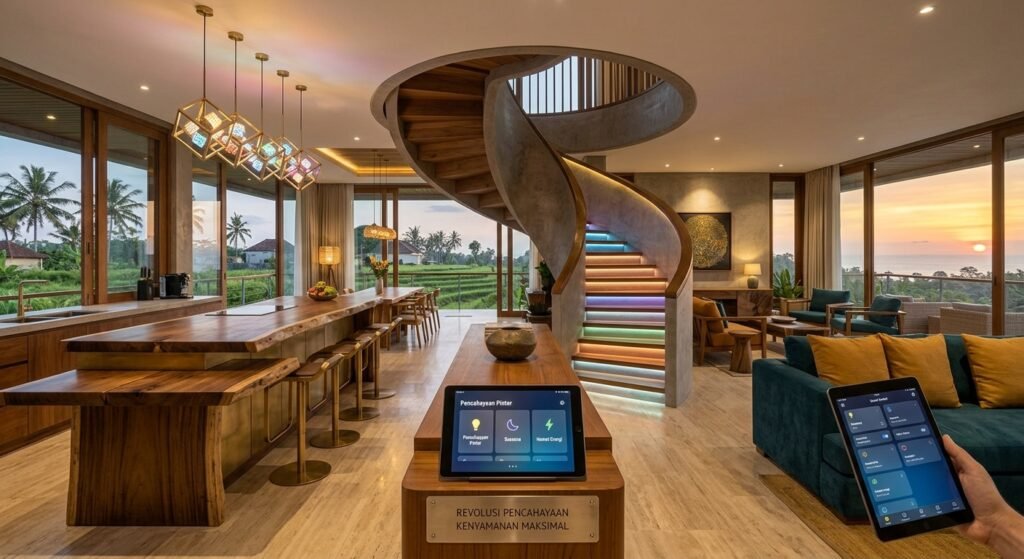
Many houses in Bali have implemented a good cross ventilation system. For example, villas have large glass walls that open onto the garden, allowing fresh air to enter and keeping the room temperature comfortable. Apart from that, several cafes and restaurants also use this design to provide a more pleasant experience for visitors.
Conclusion
Cross ventilation systems are a smart solution to create comfort in the home without relying on air conditioning. With careful planning and proper implementation, you can maximize air circulation and improve the quality of life in your home. For villa owners, rental houses and property managers, investing in a cross ventilation system not only increases comfort, but also aesthetic and health value for residents. Consider these options to create a cool, comfortable and environmentally friendly residence.
Contact us:
- Visit the New Raj Signature Bali Website: New Raj Signature (Architecture & Interior)
- Consult your Custom Luxury Villa Design with New Raj Signature : 08885112222
END OF NOTE / 131
BACK TO TOPARTICLE SOURCE
From the official New Raj Signature archive. This version is automatically translated from Indonesian.
Read the original article