NEW RAJ SIGNATURE JOURNAL
DESIGN NOTES — 171Blog
Tips for choosing a location and adapting the villa design to the contours of the land in Bali
Having a beautiful villa in Bali is the dream of many people. However, to make this dream come true, it is important to consider several factors, especially the location and design of the…
- PUBLISHED
- READING TIME
- 3 min read
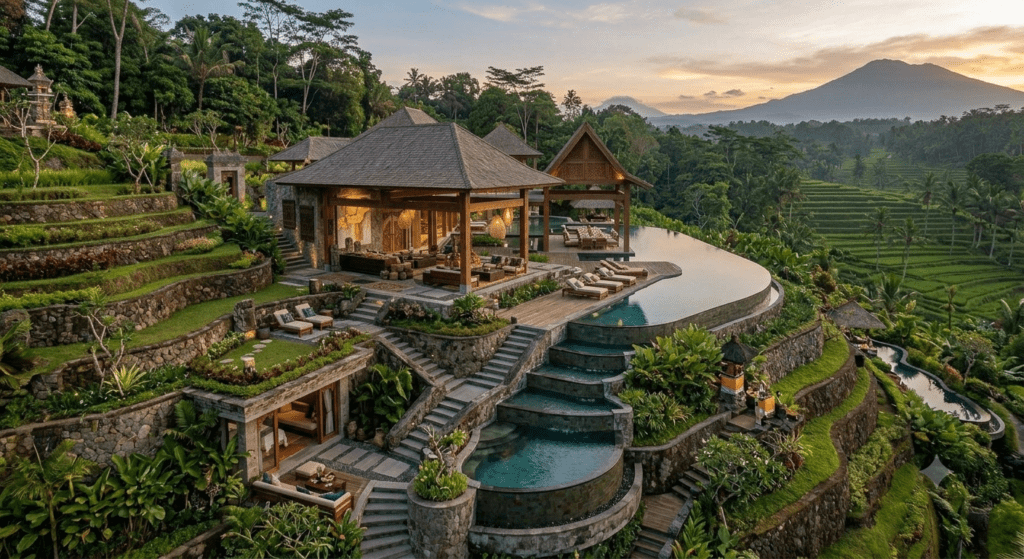
Having a beautiful villa in Bali is the dream of many people. However, to make this dream come true, it is important to consider several factors, especially the location and design of the building. This article will provide some tips for choosing a location and adapting the design of your villa to the contours of the land in Bali.
Choosing the Right Location
1. Get to know your surroundings
Before buying land, it is important to know the surrounding environment. Is the location close to public facilities such as supermarkets, hospitals and schools? Also consider accessibility to tourist attractions or beaches, so that your villa is easily accessible to guests.
2. Consider Road Accessibility
A good location must have adequate road access. Make sure the road to the villa is wide enough for vehicles, and check the existing road conditions. This will affect the comfort of you and your guests when heading to the villa.
3. Pay attention to the climate and weather
The climate in Bali can vary depending on location. For example, mountainous areas have cooler temperatures than coastal areas. This needs to be considered so that the villa can provide maximum comfort to the residents.
Adjusting the Villa Design to the Contour of the Land
1. Understand the land topography
Before making a design, it is important to understand the topography of the land. Is the land flat, hilly, or undulating? Adapting the villa design to the contour of the land can avoid problems such as flooding during heavy rain or dangerous land slopes.
2. Plan the Building Layout
The layout of the building must take into account the contour of the land. For example, if the land is hilly, you could consider a multi-storey villa design. This will not only facilitate water circulation but also provide beautiful views from every corner of the villa.
3. Use local materials
Using local materials for villa construction can help create harmony between the building and the surrounding environment. Additionally, it can also reduce environmental impact, making your villa more environmentally friendly and sustainable.
4. Flexible Design
When designing, consider creating flexible spaces that can be used for multiple purposes. For example, a living room that can function as a dining room or activity area. Designs like this are very attractive to renters or visitors.
Conclusion
Building a villa in Bali is a big step, and choosing the location and adapting the building design to the contours of the land is essential to creating a comfortable and functional space. By following the tips above, you can ensure your villa is not only aesthetically pleasing but also practical and sustainable. Don't hesitate to consult with a design expert or architect to help make your dreams come true. With good planning, your dream villa in Bali can become a reality.
Contact us:
- Visit the New Raj Signature Bali Website: New Raj Signature (Architecture & Interior)
- Consult your Custom Luxury Villa Design with New Raj Signature : 08885112222
END OF NOTE / 171
BACK TO TOPARTICLE SOURCE
From the official New Raj Signature archive. This version is automatically translated from Indonesian.
Read the original article