NEW RAJ SIGNATURE JOURNAL
DESIGN NOTES — 411Blog
Modern Minimalist Balinese Wall Wallpaper for Elegant Spaces
Modern minimalist Balinese wall wallpaper is the right choice for those of you who want a clean, elegant appearance, and is still in harmony with the tropical feel of Bali. This style is…
- PUBLISHED
- READING TIME
- 2 min read

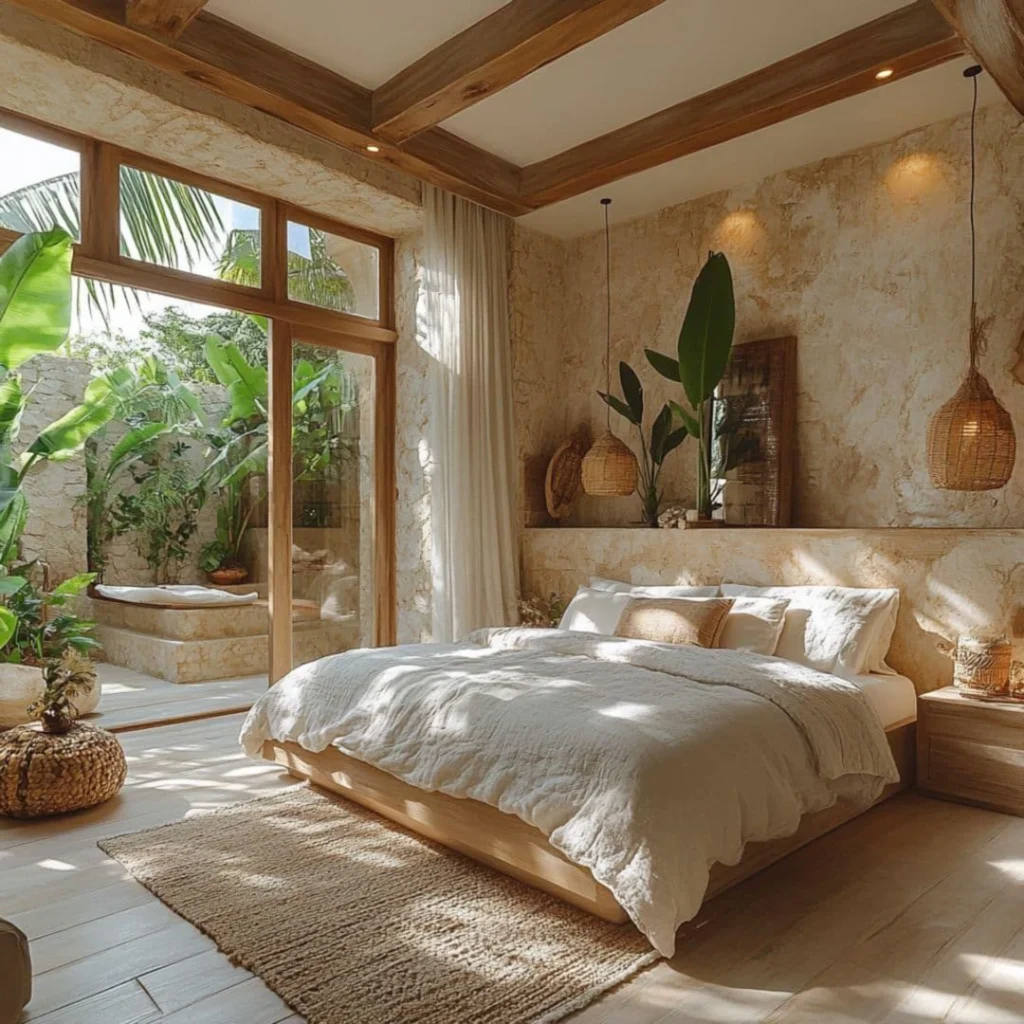
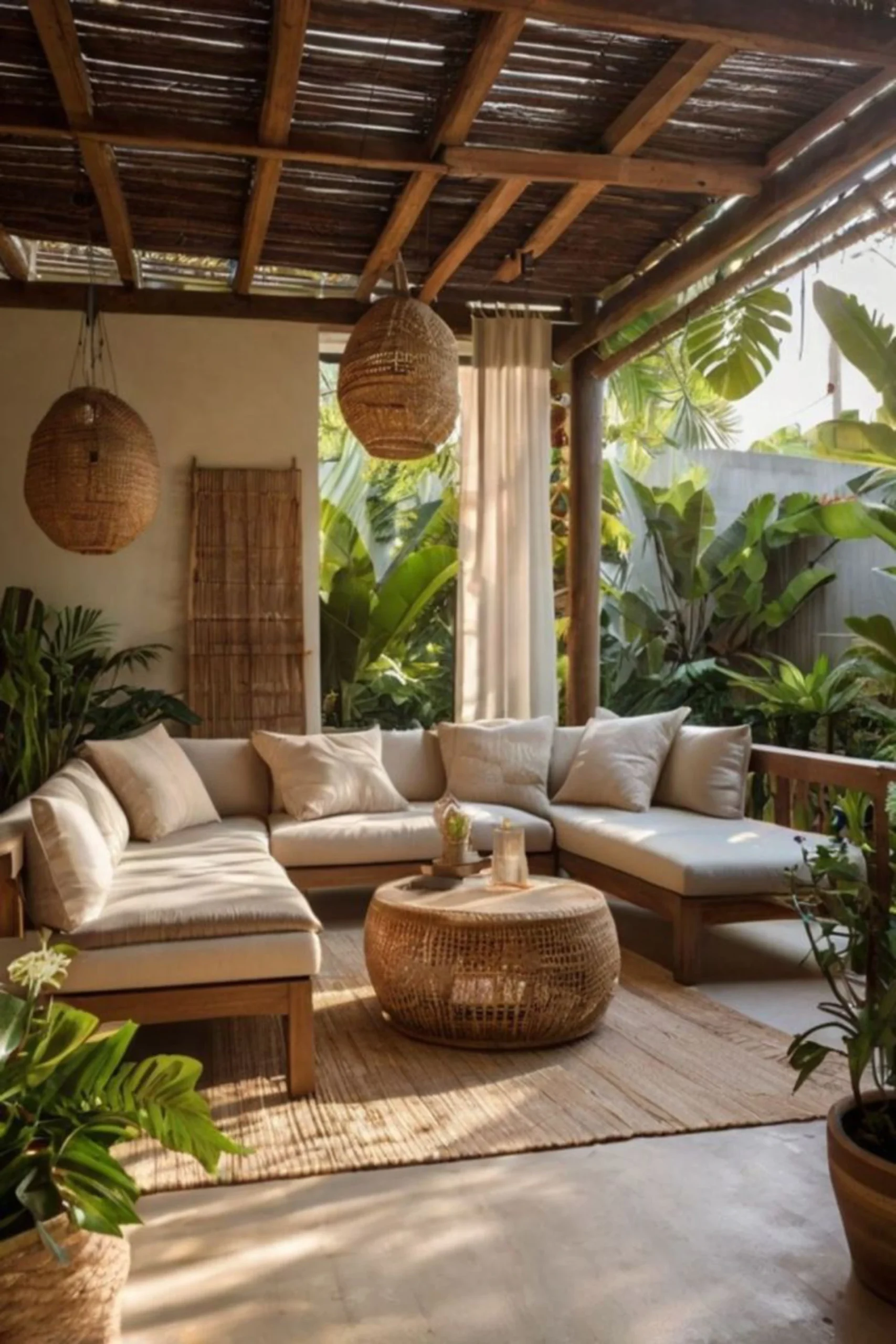
Modern minimalist Balinese wall wallpaper is the right choice for those of you who want a clean, elegant appearance, and is still in harmony with the tropical feel of Bali. This style is suitable for various spaces, from the living room, bedroom, to work area, especially for those of you who prioritize simple and functional aesthetics.
Modern minimalist motifs from Bali are usually dominated by neutral colors such as white, gray, cream and beige. Patterns should be subtle—like thin lines, soft geometric shapes, or subtle textures that add depth without distracting from the overall visuals of the room.
Advantages of modern Balinese minimalist wallpaper:
The aesthetic is clean and contemporary
Easy to combine with tropical or Scandinavian furniture
Suitable for villas, residences or modern work spaces
Available in moisture resistant material for tropical climates
To get these wallpapers you can visit Decoruma or Bali Home Living , which provides a collection of wall wallpapers in various styles, including modern minimalist themes which are currently trending in Bali.
Tips for choosing minimalist style wall wallpaper:
Use light colors to create the impression of a wider space
Choose a simple motif to keep the room calm
Consider wallpaper with a matte texture for a luxurious yet soft feel
Installing modern minimalist Balinese wall wallpaper can be a smart step to freshen up the interior of your home without major renovations. Apart from being practical, this solution also gives a neat and elegant impression with a local touch that remains contemporary.
END OF NOTE / 411
BACK TO TOPARTICLE SOURCE
From the official New Raj Signature archive. This version is automatically translated from Indonesian.
Read the original article